


Sound Bite
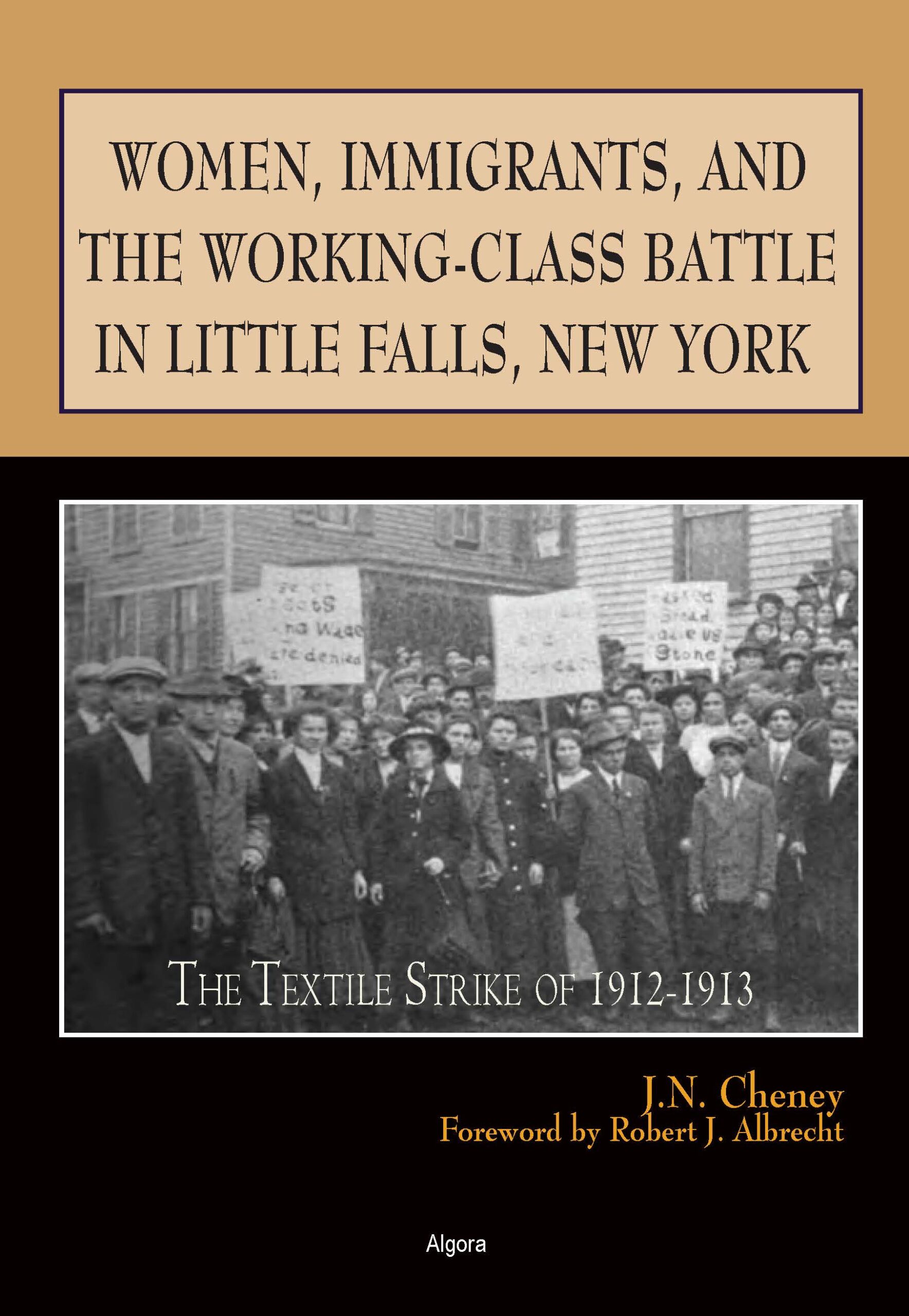
This book leads us through the dramatic and historically significant Little Falls Textile Strike of 1912-1913, a working-class battle led primarily by immigrant women against brutal factory conditions and squalid housing. The story chronicles how a walkout over reduced wages grew into a major labor conflict, drawing in powerful allies like the Industrial Workers of the World (IWW), the socialist government of nearby Schenectady, and nationally recognized figures such as Helen Keller and "Big Bill" Haywood.
Central to the narrative is the courageous work of nurse Helen Schloss, who, while hired by the town's elite to combat tuberculosis, ended up exposing her employers' husbands as the owners of the city's worst slums. Author J.N. Cheney provides a comprehensive and pioneering academic analysis of the strike from a Marxist perspective, documenting the fierce opposition from police and mill owners and exploring the event's lasting legacy in the fight for workers' rights.
About the Book
The Little Falls Textile Strike of 1912-1913 was a pivotal but long-neglected event in American labor history. This book offers a groundbreaking corrective, as it chronicles the dramatic struggle of immigrant women against powerful mill owners, brutal police repression, and a hostile press as they fought for their dignity and survival. Drawing on extensive archival research, this study resurrects a forgotten history and provides a pioneering theoretical framework for understanding class struggle, nativism, and labor organizing in the Progressive Era, restoring a vital local struggle to its national importance.
Through extensive archival research, this study reconstructs the dramatic fight of immigrant women workers from Poland, Italy, and Slovakia against powerful mill owners in New York's Mohawk Valley. The book details the horrific conditions they endured—dangerous, unsanitary factories, rampant tuberculosis, and dilapidated tenement housing—which were courageously exposed by social reformer M. Helen Schloss. When the workers organized with the help of the Industrial Workers of the World (IWW), they were met with a brutal campaign of repression. The narrative exposes the police violence, the suppression of free speech by local authorities, and the hostile media coverage that sought to demonize the strikers as dangerous agitators.
</p><p>The author, a historian based in the Mohawk River Valley himself, demonstrates how the struggle was part of a larger, national movement. This pioneering study not only brings a vital piece of local history out of obscurity but also contributes significantly to the fields of Marxist and labor historiography, offering insights on the complex interplay of class, gender, and nativism in the fight for workers' rights in America.



Reviews
There are no reviews yet.